
Health Anxiety During Flu Season: How to Calm Your Mind Without Googling Every Symptom
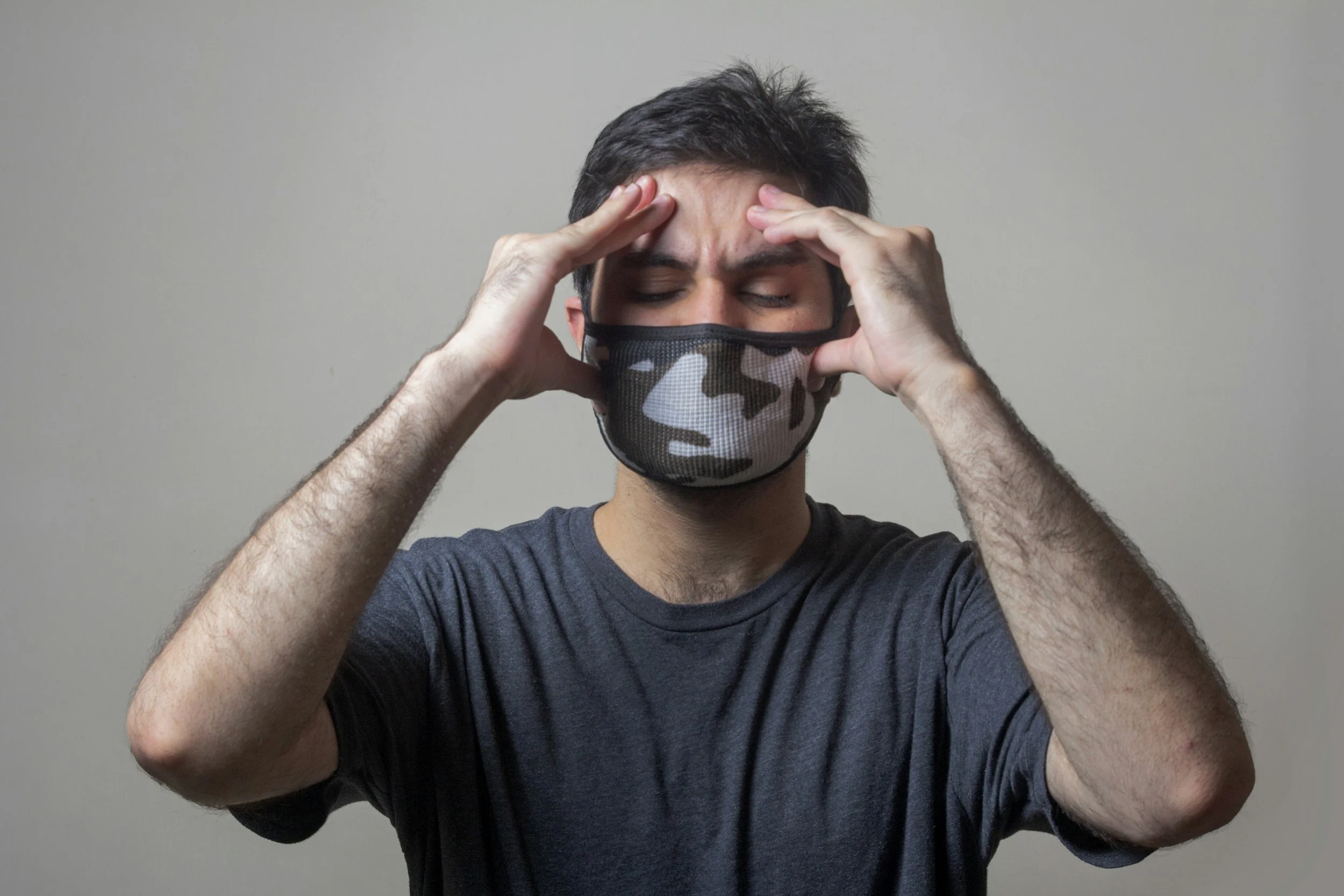
Flu season has arrived — and with it, headlines, alerts, and social media posts that can make even the calmest person pause and think, “Wait… is that normal?”
If you find yourself scanning your body, checking symptoms repeatedly, or feeling uneasy after reading health news, you’re not alone. Health anxiety increases during winter illness season, especially when information feels catastrophic, urgent, or nonstop.
The good news? There are realistic, evidence-based ways to manage health anxiety — without ignoring your health or panicking over every sneeze, sniffle, or cough that sounds “different than usual.”
What Is Health Anxiety?
Health anxiety involves excessive worry about physical health, often fueled by uncertainty, bodily sensations, and fear of serious illness. It exists on a spectrum — from occasional worry to persistent anxiety that interferes with daily life.
It’s not about being dramatic or uninformed. It’s about how the brain responds to perceived threat.
During flu season, the brain is exposed to:
Increased illness cues
Heightened media attention
Social conversations about symptoms
A genuine (but often exaggerated) sense of risk
In short: flu season is a perfect storm for health anxiety.
1. Limit Health News (Yes, Even the “Helpful” Kind)
Staying informed is important. Doom-scrolling is not.
When the nervous system is already on high alert, constant exposure to alarming health news reinforces the idea that danger is everywhere — even when actual risk remains low or manageable.
Clinical guidance:
Choose one reliable health source and check it once per day. Avoid social media commentary, breaking-news banners, and comment sections (which are rarely regulated by facts or calm).
If the headline starts with “Experts warn…” and your heart rate spikes, that’s your cue — not to read more, but to pause.
Information should guide decisions, not hijack your nervous system.
2. Calm the Body Before Calming the Mind
Health anxiety often shows up physically first:
Tight chest
Shortness of breath
Nausea
Racing heart
A sense of “something feels off”
These sensations can feel alarming — even when they’re anxiety-driven.
Before analyzing symptoms, regulate your body:
Slow, diaphragmatic breathing
Gentle stretching or movement
Grounding exercises (naming sights, sounds, sensations)
Think of this as turning down the volume before deciding what the song actually is. A regulated body allows for clearer thinking.
3. Separate Sensations From Stories
Anxiety is excellent at turning neutral sensations into dramatic narratives.
A dry throat becomes “I’m getting sick.”
Fatigue becomes “Something is wrong.”
A headache becomes “This is serious.”
Try asking yourself:
What am I actually feeling — physically?
What story am I telling myself about it?
Are there other reasonable explanations?
A scratchy throat does not automatically mean a medical emergency. Sometimes it means winter, dehydration, or being human.
4. Focus on What You Can Control (Not What Google Can’t)
Health anxiety thrives on uncertainty. Shifting focus to practical, controllable behaviors helps restore balance and reduce mental spirals.
Helpful focus areas include:
Consistent sleep and meals
Basic hygiene practices
Staying hydrated
Following medical guidance — without excessive checking
More monitoring does not equal more safety.
More balance often does.
5. Reduce Reassurance-Seeking (Yes, Including Googling at 2 AM)
Repeatedly checking symptoms, searching diagnoses, or asking for reassurance can feel comforting — briefly.
Clinical insight:
Reassurance reduces anxiety short-term, but strengthens it long-term. The brain learns, “I can’t handle uncertainty without checking.”
Learning to tolerate uncertainty is uncomfortable — and one of the most effective ways to reduce health anxiety.
And no, Google does not have a medical degree. Or bedside manner.
6. Challenge Anxious Thoughts (Gently, Not Aggressively)
Anxious thoughts sound urgent, convincing, and time-sensitive. That does not make them accurate.
Instead of arguing with anxiety, try curious questioning:
What evidence supports this thought?
What evidence does not?
If a friend said this, what would I tell them?
You don’t need to silence anxiety — just stop letting it run the meeting.
7. Know When to Get Support
If health anxiety is affecting sleep, work, relationships, or your ability to enjoy daily life, professional support can help.
Therapy can support individuals in:
Reducing body hyper-awareness
Managing intrusive health fears
Breaking reassurance cycles
Improving tolerance of uncertainty
Seeking support doesn’t mean something is “wrong.”
It means you’re human — and ready for relief.
A Note for Parents of Young Children
Health anxiety in parents often intensifies during flu season. Young children get sick frequently, symptoms change quickly, and kids aren’t always able to explain how they feel — which can send even calm parents into overdrive.
If you feel heightened anxiety about your child’s health, especially at night or when routines are disrupted, you’re not alone. Parental health anxiety is common and deeply rooted in care, responsibility, and love.
A few grounding reminders for parents worried about their child getting sick:
Young immune systems are still developing — frequent illness is expected
Symptoms often look scarier than they are
Your calm presence helps regulate your child’s nervous system
Clinical tip for parents:
Ask yourself:
Am I responding to my child’s symptoms — or my own anxiety?
What would I tell another parent in this situation?
Children take emotional cues from caregivers. Regulating your own nervous system supports theirs — even when they’re sick, clingy, and coughing directly into your face (because of course they are).
If health anxiety parenting young children is affecting your sleep, mood, or daily functioning, support can help — for you, and for your child.
Final Thoughts
Flu season brings germs — yes.
But it also brings fear, uncertainty, and information overload.
Managing health anxiety isn’t about ignoring your health. It’s about responding with clarity, balance, and compassion — instead of spiraling over every headline or sensation.
At Helping Minds Heal Counseling Center, we support individuals and parents navigating anxiety with practical, evidence-based care — in person and virtually.
You deserve peace of mind — not a constant state of alert.
General Call to Action
If you or someone you love struggles with health anxiety or seasonal stress, support is available.
Learning how to respond differently to anxiety can make a meaningful difference.
Helping Minds Heal Counseling Center
Because your mental health matters — even during flu season.